Hardware
Acoustic Hardware
A total of 8 gliders from four different companies, with four different PAM sensors, were included in the PAM-Glider Rodeo. A summary of the platform specifications are provided in the table, below, and additional details are provided for the Glider platforms, acoustic sensors, and oceo sensors (below).
Gliders
Slocum Gliders (Teledyne Webb) 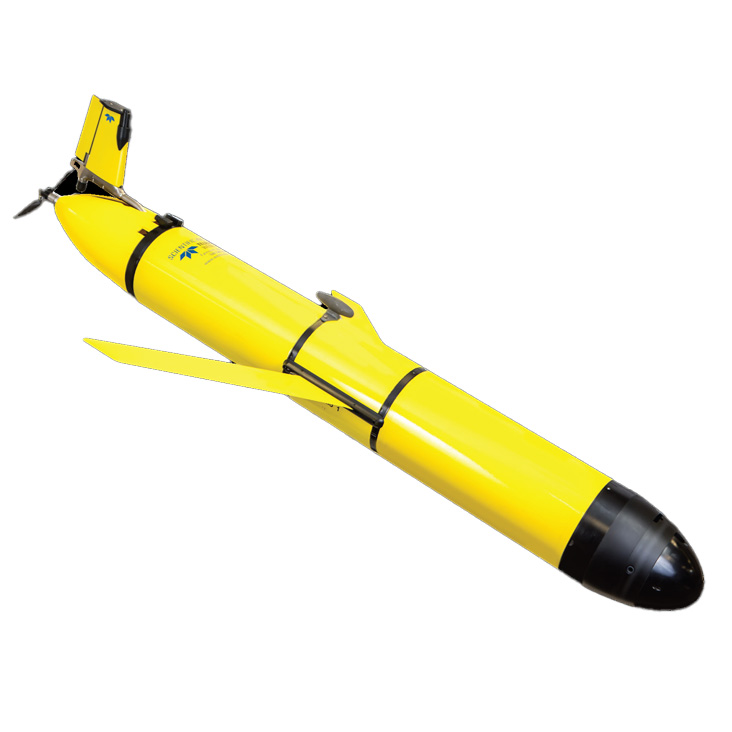
NOAA’s Southwest Fisheries Science Center began deploying Slocum gliders to study Antarctic krill in 2018, and in 2025 they will expand their glider program with PAM-equipped gliders to study marine mammals off the U.S. West coast. Slocum Gliders are modular, and three different PAM systems will be tested: the DMON (developed by WHOI) and WISPR (Embedded Ocean Systems), and OceanObserver JASCO Applied Sciences.
Seagliders (U Washington) 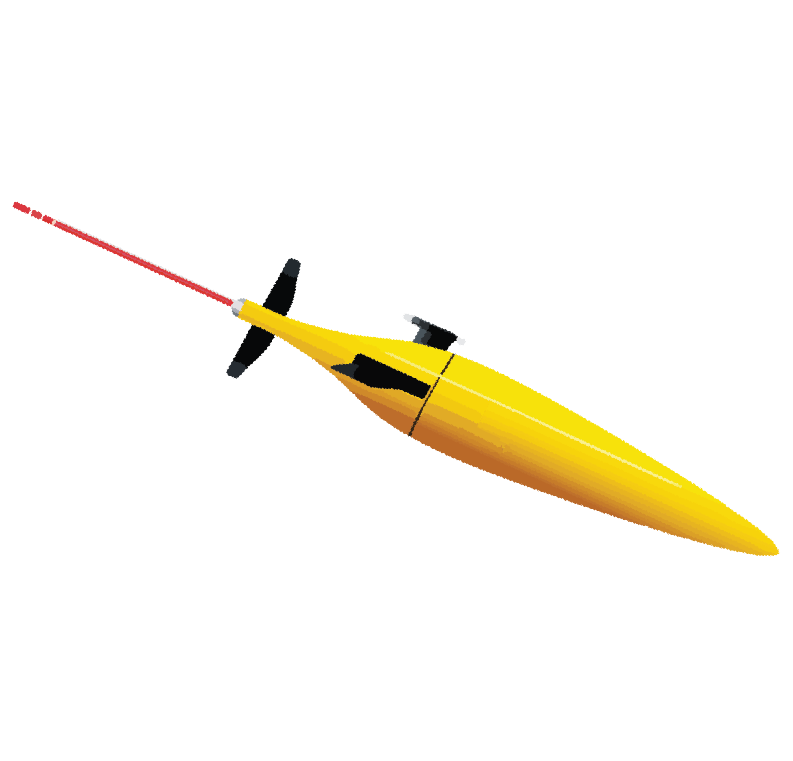
Seagliders are buoyancy driven autonomous underwater vehicles developed at the University of Washington. Through a partnership with Dave Mellinger at Oregon State University, NOAA researchers at Pacific Islands Fisheries Science Center has been testing the passive acoustic capabilities of these gliders to conduct marine mammal monitoring off Hawaiʻi. They will continue this collaboration in 2025 as PIFSC builds out their own glider lab with Seagliders with onboard WISPR acoustic processors. Seaglider support resources can be found here , and WISPR 2.0 specifications can be found here . Note that WISPR 3.0 is under development.
Oceanscout (Hefring) 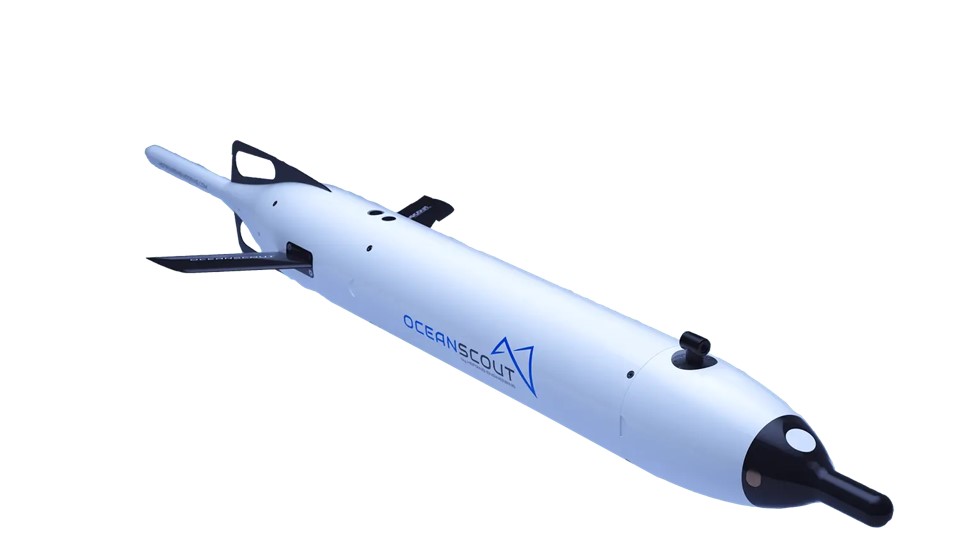
The Oceanscout is a small glider developed as a ‘user friendly’ PAM-equipped glider. They are much smaller and require less training and expertise to use. Southwest Fisheries Science Center has procured two Oceanscouts for testing and for specific scientific research efforts. The Oceanscout specifications can be found here.
SeaExplorer (Alseamar) 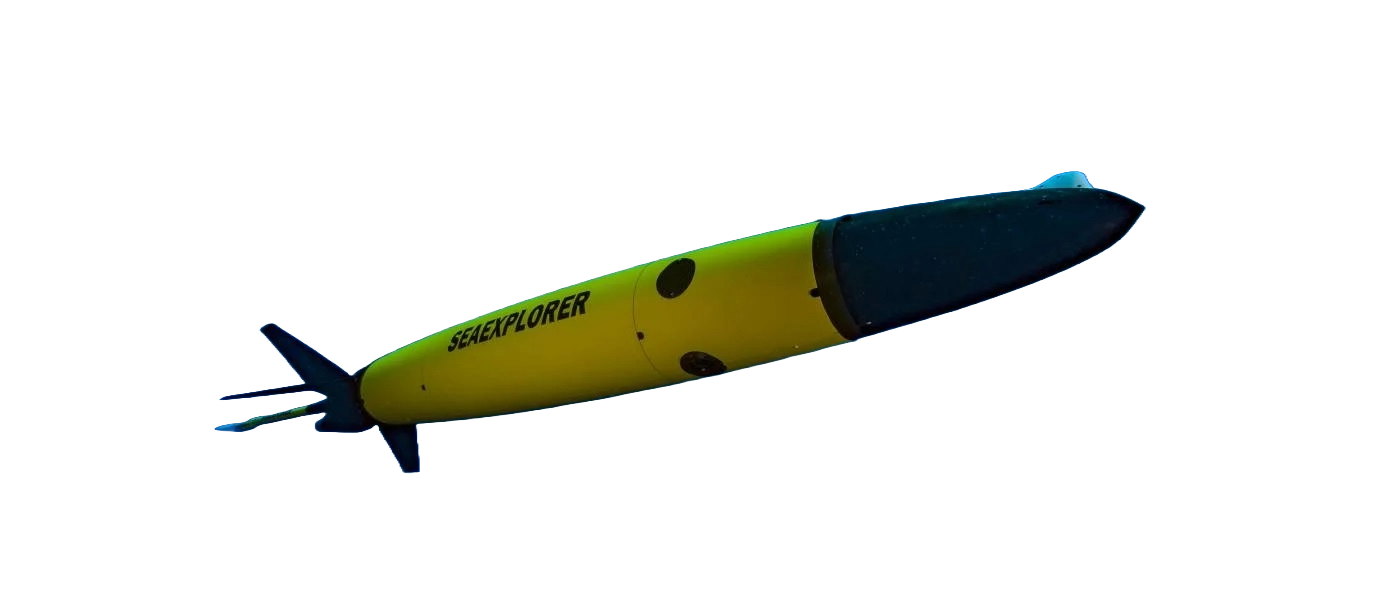
The SeaExplorer was developed by the French company Alcen-Alseamar. Alseamar SeaExplorers are not yet available for purchase in the United States, but the company offers their gliders as a service, with mission planning, piloting, and data delivery. We will include SeaExplorers in our Glider Rodeo (as a service). SeaExplorer specifications can be found here.
Acoustic Sensors
Glider platforms can support one or more options for PAM sensors. Technology is rapidly developing, and we will be testing the following PAM Sensors:
WISPR
WISPR (Wideband Intelligent Signal Processor and Recorder) is an acoustic processor developed by Embedded Ocean Systems and designed for limited space and low power, with options for customized applications. WISPR are currently used on Seagliders, and recent integration with Slocum gliders is undergoing testing.
WISPR3 resources can be found here.
Additional resources installing and operating the WISPR system on Seagliders can be found at the PIFSC Glider Lab WISPR page.
DMON
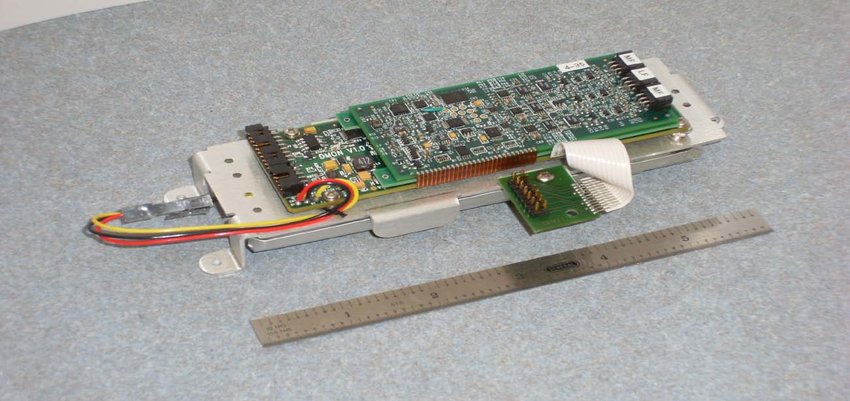
The Digital MONitor (DMON) was developed by Woods Hole Oceanographic Institute and have been integrated on Slocum gliders and have been used with Seagliders. The current iteration of DMON has limited capacity for high frequency recording, but expansion of this capacity to improve storage capacity is under development.
Auris
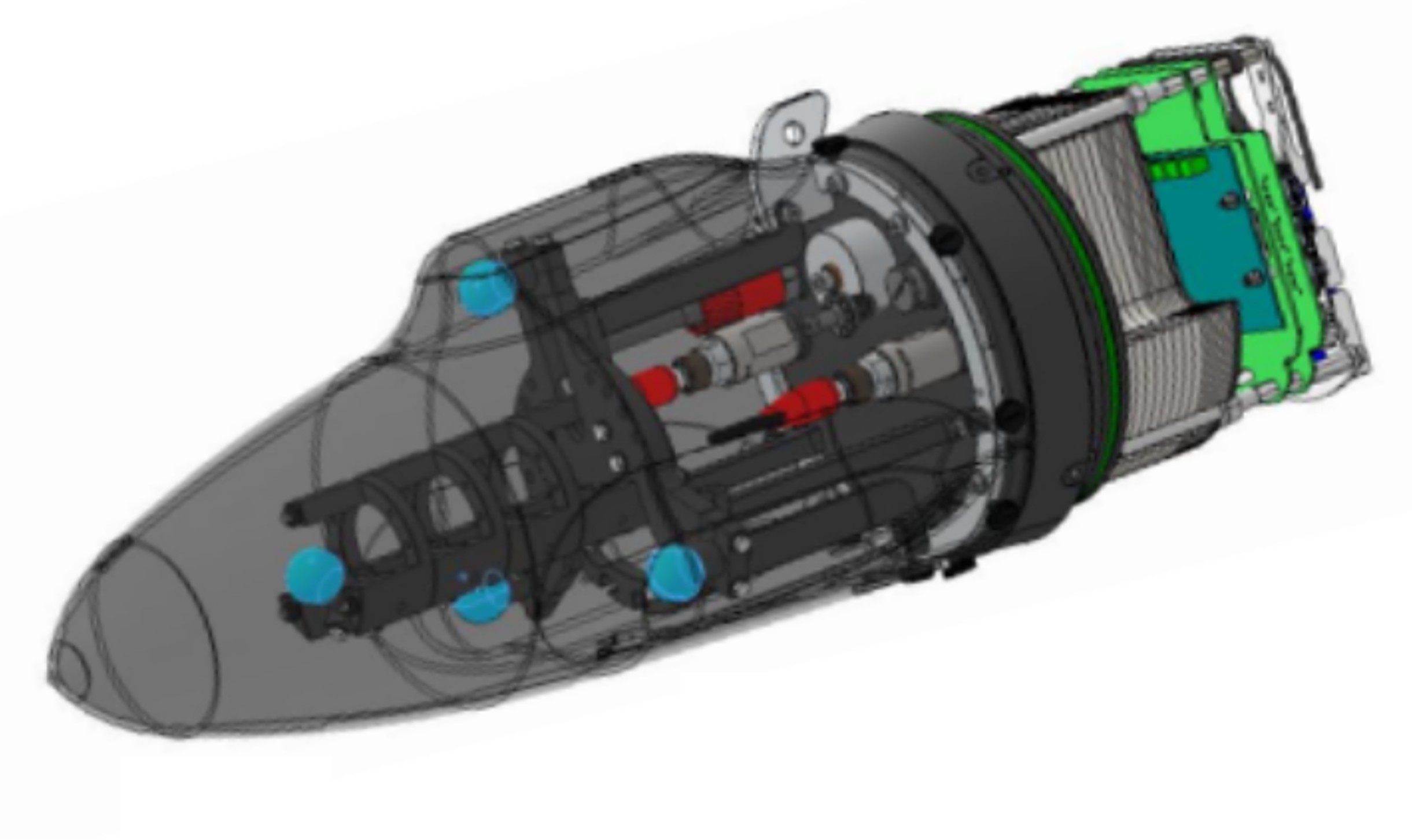
The Auris acoustic processing system is a proprietary system developed for the Alseamar SeaExplorer glider. It can accommodate up to 4 channels with embedded processing capabilities for detection, classification, and beamforming.
OceanObserver
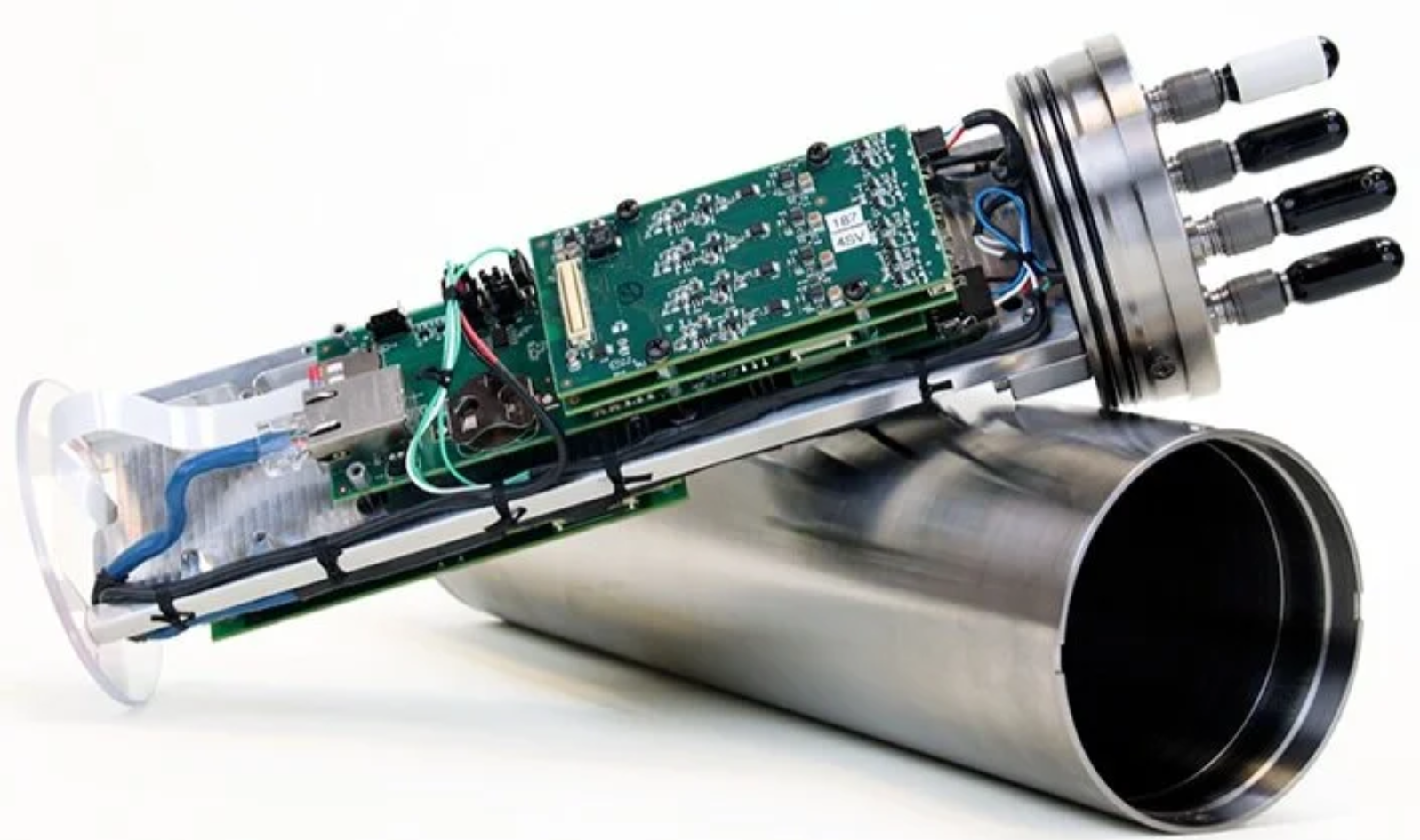
Jasco’s OceanObserver can accommodate up to 16 acoustic channels with onboard processing for detection, ambient noise, and ocean environmental measurements. The Ocean Observer will be used on a Teledyne Slocum glider.
Oceo Sensors
Stay Tuned!